
Women Who Work
From low wage to high paying, reading your paystub to negotiating your salary, resume building to learning what questions to ask before accepting a position, learn how to break your paycheck glass ceiling and start your career. Degree optional.
Ready For A Higher Paying Position?
You don’t need a college degree to get a $2k, $5k, or even $10,000 pay increase…..let’s break your paycheck glass ceiling.

Free Guide
The Higher-Paying Job Roadmap
A free guide to make the most out of your current job, increase your earning potential, and prepare for your next opportunity.

Free Download
Interview Preparation Checklist
The before, during, and after interview checklist to help keep you on track.

Free 5-Day Process
5 Day Resume
5 days of guided preparation to build a stronger resume for your next high-paying opportunity.
Q & A
What can I add to a resume with limited working experience?
- Volunteer work! 45% of hiring managers consider volunteer experience equally valuable as paid experience when evaluating soft skills. Source: Harvard Business Review, 2022
- Free (or paid) online certifications! This is a great way to demonstrate continual education and initiative, what company hates seeing that?
How do I know I am qualified enough?
Job listings describe the “ideal” candidate qualifications, but not necessarily the minimum qualifications needed to successfully perform the job. If you have transferable skills and relevant experience (not always in the same industry), avoid self-rejecting before giving yourself the opportunity to advance or learn. Meeting 60% of qualifications is a good rule of thumb when applying.
What jobs can I get?
Ask yourself, “what kind of work am I good at, what do I enjoy doing, how can my skills earn me more money, and what industries utilize those skills?”
O*net OnLine is a free government platform where you can search potential careers by filtering using your skills and goals. Visit the official U.S. Department of Labor website and search for O*net onLine.
How should I prepare for an interview?
- Research the position – Review the job listing again and correlate how your attributes align with the descriptions.
- Research the company – Comb through their website, find their values, become familiar with their products/services, and try to reference back to any information in the interview to show your research.
- Prepare for their questions – Write down your key points to commonly asked questions in interviews such as:
1. Tell me about yourself
2. Why are you interested in this position
3. Why did you apply to ‘XYZ Company’
4. Tell me about an accomplishment you are proud of
5. Tell me about a challenge you faced - Prepare your own questions – You are interviewing the company as much as they are interviewing you. This is an important step in your career, and this is the time to determine if this company and position align with your goals, pay structure, and values. Here are a few examples of questions to ask:
1. What success looks like in the position
2. Growth opportunities
3. Biggest challenge in the position
Should I accept this job offer?
You should accept the offer if you have A. Negotiated (successfully or not) and B. The position and company align with your goals, pay structure, values, and career path.
Though tempting to accept an offer immediately, companies hardly (if ever) offer their highest pay and best compensation package. Most companies expect some type of negotiation to take place. Here are a few ideas of what you can negotiate:
1. Pay
2. PTO
3. Flexible work schedule
4. Benefits
5. Hire date
Where do I begin if I am unsure?
Start with the Women Who Work free guide; The Higher-Paying Job Roadmap.
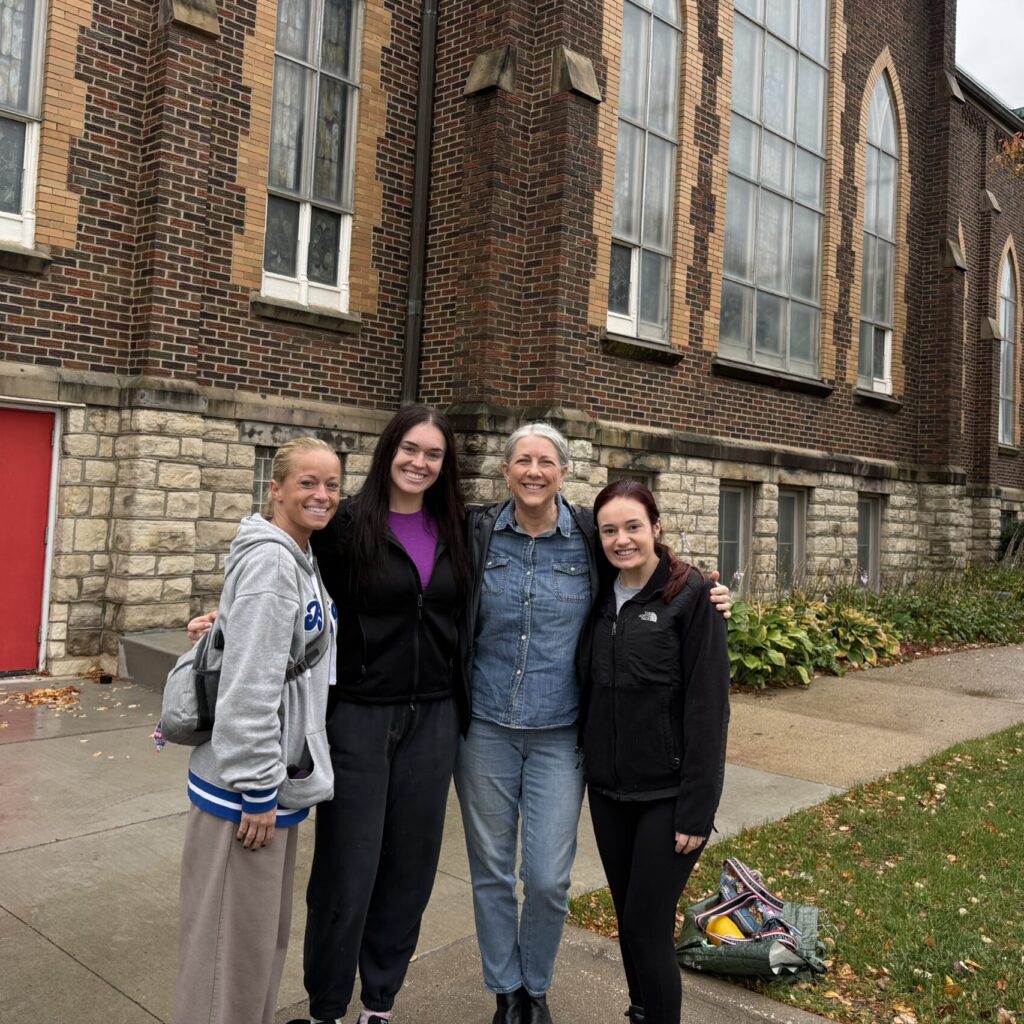
Women Who Volunteer
Gain Experience. Build Your Resume. Make An Impact.
Join our monthly volunteer group or find an organization of your own to develop valuable skills and support your community.